Artificial Turf Cleaning in Flower Mound, undefined

Professional deep cleaning for synthetic turf installations across the Lake Grapevine corridor — pet odor treatment, debris extraction, and surface sanitization that restores what weekly rinsing cannot

Artificial Turf Cleaning

What Professional Turf Cleaning Actually Does

A garden hose rinse handles surface debris and surface temperature — it doesn't reach what's accumulated inside the infill layer or address bacteria and odor at the source. After a North Texas spring pollen season, a full summer of dog use, or a stretch of wet weather that compacted debris into the surface, a professional clean does what homeowner-level maintenance cannot. Artificial Turf of Flower Mound provides deep extraction cleaning for residential and commercial turf across Flower Mound, Highland Village, Argyle, Copper Canyon, Lewisville, and Grapevine. We use commercial-grade equipment, purpose-specific cleaning solutions, and a systematic approach that targets the actual sources of turf degradation — not just what's visible on the surface.

  • Commercial vacuum extraction for debris embedded in the infill layer
  • Enzymatic treatment for pet urine odor at the bacterial source
  • Sanitization that eliminates mold and mildew accumulation in shaded zones
  • Stain treatment for grease, fertilizer, and organic staining
  • Power-broom grooming after cleaning to restore blade position
  • Drain zone clearing to restore proper flow rates

Why Flower Mound Homeowners Schedule Professional Cleaning

These are the situations that drive cleaning service requests from families across Bridlewood, Hillview, and the Lake Grapevine corridor — and what the clean actually resolves.

Pollen Season Leaves a Layer You Can't Rinse Off

Denton County's spring pollen season is significant. Mountain cedar runs January through March. Oak hits in April. By the time spring is over, the infill layer in a typical Flower Mound backyard has captured a meaningful volume of fine organic material that surface rinsing doesn't move. Professional extraction pulls this material out of the infill layer, which also improves drainage and blade appearance going into summer.

Dog Yards Need More Than a Hose by Mid-Summer

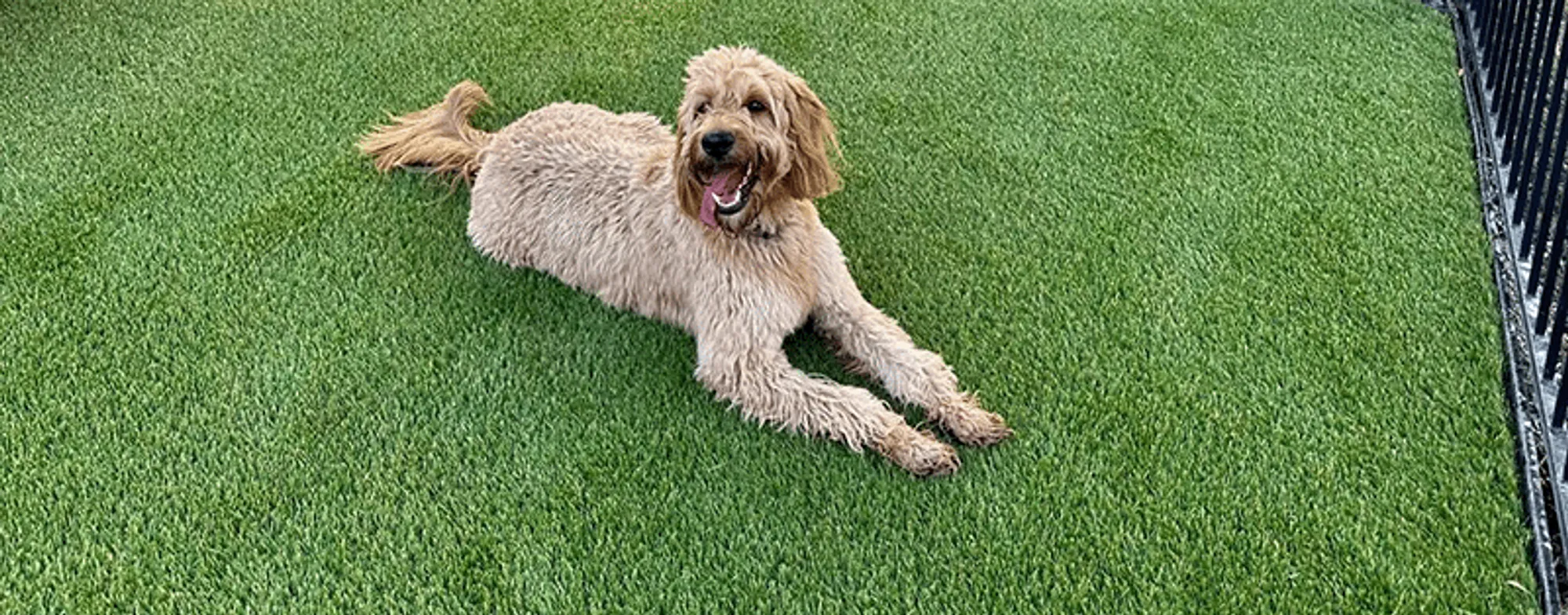
Urine passes through the turf surface and into the infill, where bacteria break it down over time. In a mild climate, this isn't a problem. In a Flower Mound July with ambient temperatures over 95 degrees, the bacterial breakdown accelerates and produces ammonia odor that a garden hose cannot address. Professional enzymatic treatment reaches the infill, neutralizes the bacterial source, and resets the odor situation in a way that surface rinsing simply doesn't.

Shaded Zones Accumulate Mold

Parts of Flower Mound yards sit under large oaks or receive limited sun due to house shadow. These sections stay damp longer after rain and can develop surface mold or mildew accumulation that affects both appearance and hygiene. Professional cleaning with antimicrobial treatment addresses this zone-specifically — which matters because it's usually localized to one section of the yard, not the whole installation.

Post-Construction Cleanup After Remodeling

Flower Mound homeowners who do significant landscaping, pool work, or home renovation frequently end up with construction dust, concrete residue, and other materials on their turf. Standard rinsing embeds fine particles rather than removing them. Professional extraction and cleaning after construction returns the turf to clean condition without damaging the surface or backing.

Pre-Event Prep for Outdoor Gatherings

Fall in Flower Mound means outdoor gatherings — football weekends, neighborhood parties, FMISD-adjacent celebrations. A professional clean in late September gives you a fresh, groomed surface that looks good and stays comfortable for guests without mud or debris concerns. Takes the yard from functional to genuinely presentable.
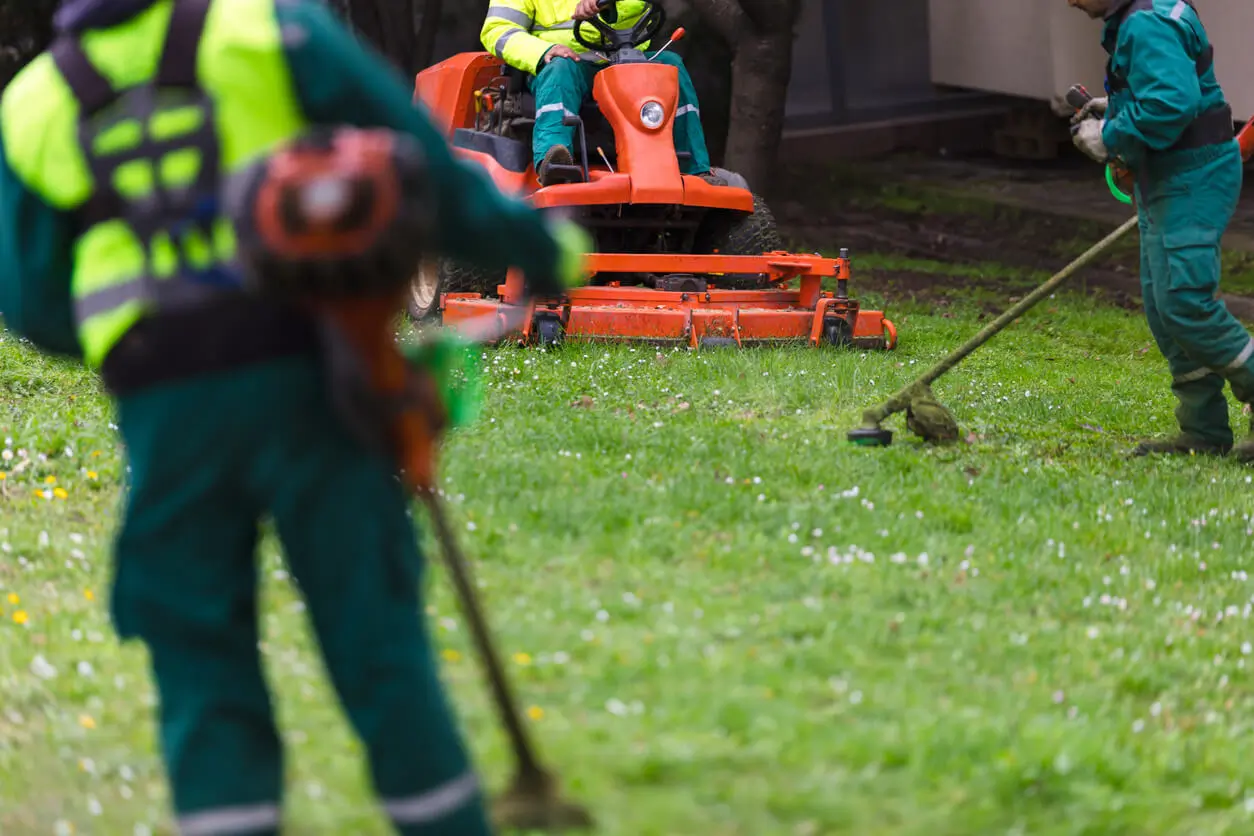
How We Clean Artificial Turf Professionally

Our cleaning process is sequential and zone-specific. We work through the installation systematically rather than treating the whole surface the same way — because different areas of your yard have different cleaning requirements.

1

Initial Surface Assessment

We walk the full installation before starting. We identify pet-use zones, stained areas, shaded sections with potential mold, and drain locations. This shapes the cleaning approach — which treatments go where and in what order.

2

Debris Extraction

We start with mechanical debris extraction using commercial turf vacuum equipment. This removes leaf matter, pet hair, pollen, and organic debris from within the infill layer — not just the surface. Most homeowners are surprised how much material comes out of a yard they rinse regularly.

3

Pre-Treatment of Problem Zones

Pet areas get pre-treated with enzymatic solution before the main clean. Stained sections get targeted stain treatment. Moldy or mildew-affected areas get antimicrobial pre-treatment. Pre-treatment needs dwell time to break down the target material before extraction — we don't rush this step.

4

Deep Extraction Cleaning

Commercial extraction equipment performs deep cleaning through the full infill depth. This removes the bacterial load, loosened organic material, and cleaning solution after its dwell period. We work in overlapping passes to ensure complete coverage.

5

Rinse and Surface Flush

After extraction, we flush the surface and drainage zones with clean water to remove all cleaning solution residue. We verify that drain zones are moving water at the correct rate — this is also when we identify any drainage blockages that need clearing.

6

Power-Broom Grooming and Blade Restoration

Cleaning and extraction tend to press blades flat. We finish with a power-broom pass across the full installation to restore blade position and even out infill distribution. The visual difference after the broom step is significant.

7

Post-Clean Walkthrough

We walk the installation with you and explain what we found, what we treated, and what you should watch for before the next service. We note any areas where infill refresh or maintenance follow-up might be warranted.

Cleaning Services for Different Situations

Not every turf cleaning need is the same. These are the service types we offer most frequently for Flower Mound and Highland Village residential yards.

Standard Deep Clean

Full extraction cleaning covering the complete installation — debris removal, surface clean, drain clearing, and blade groom. Appropriate for yards without significant pet use as an annual or biannual service.

Best For: General residential maintenance, post-pollen season reset, annual cleaning

Pet-Specific Odor Treatment

Enzymatic pre-treatment, deep extraction with bacterial neutralization focus, and post-clean sanitization. Built specifically for the chemistry of dog and cat urine in North Texas summer conditions.

Best For: Pet yards, households with multiple dogs, seasonal odor management

Heavy-Duty Restoration Clean

Multiple extraction passes, extended pre-treatment dwell time, and enhanced cleaning for yards that have gone two or more years without professional service. Gets neglected turf back to functional condition.

Best For: Catch-up cleaning, inherited installations, turf that hasn't been professionally cleaned in years

Pre-Event Clean

Targeted clean and groom timed to a specific event or gathering. Focuses on appearance and odor management rather than deep extraction — optimized for quick turnaround with visible results.

Best For: Before outdoor parties, open houses, neighborhood gatherings

Post-Construction Cleanup

Specialized cleaning for turf exposed to construction activity — extraction of concrete dust, wood debris, and fine construction particles that surface rinsing embeds rather than removes.

Best For: After landscaping, pool installation, home renovation, fencing work

Cleaning Questions from Flower Mound Turf Owners

How often should I schedule professional cleaning?

For a yard with one or two dogs, twice a year is the practical minimum — once in spring after pollen season, once in early fall before the yard gets heavy use through the end of the school year. For yards with multiple dogs or significant summer pet traffic, quarterly is more appropriate. For yards without pets, once a year professional cleaning is usually sufficient.

Will professional cleaning fix my dog yard odor completely?

It addresses it significantly, and for most pet yards the improvement is dramatic. Complete elimination depends on how long the odor has been building and whether the contamination has reached the base material below the turf. For chronic odors that cleaning doesn't resolve, we'll discuss whether infill refresh or replacement addresses the underlying issue.

How long after cleaning can we use the yard?

The yard is typically accessible within a few hours of service completion — once the surface dries from the rinse and extraction phase. We'll tell you the expected dry time based on weather conditions on the day of service.

Are your cleaning products safe for dogs and kids?

Yes. We use environmentally compatible enzymatic and antimicrobial solutions that break down harmlessly. After the cleaning and rinse phases, no hazardous residue remains on the surface. We can provide product safety information for any treatments used if needed.

Can cleaning fix flattened or matted turf?

Cleaning combined with power-broom grooming addresses matting significantly in most cases. Heavily matted turf that has been that way for a long time may not fully recover from cleaning alone — infill refresh or, in extreme cases, replacement is the more complete solution. We'll assess during the service and tell you honestly what level of improvement is achievable.

Ready to Reset Your Turf? Let's Schedule a Clean

Artificial Turf of Flower Mound provides professional turf cleaning across Flower Mound, Highland Village, Lewisville, Grapevine, Argyle, and Copper Canyon. Contact us to schedule service or ask about our annual maintenance plans.

Serving Nearby Cities

Flower MoundLewisvilleCoppellGrapevineKellerSouthlakeRoanokeArgyle