Artificial Turf Infill Refresh in Flower Mound, undefined

Professional infill assessment and refresh for residential and commercial turf across the Lake Grapevine corridor — the service that extends installation life and restores surface performance without full replacement

Artificial Turf Infill Refresh

Infill Is the Part Most Homeowners Don't Think About — Until It's a Problem

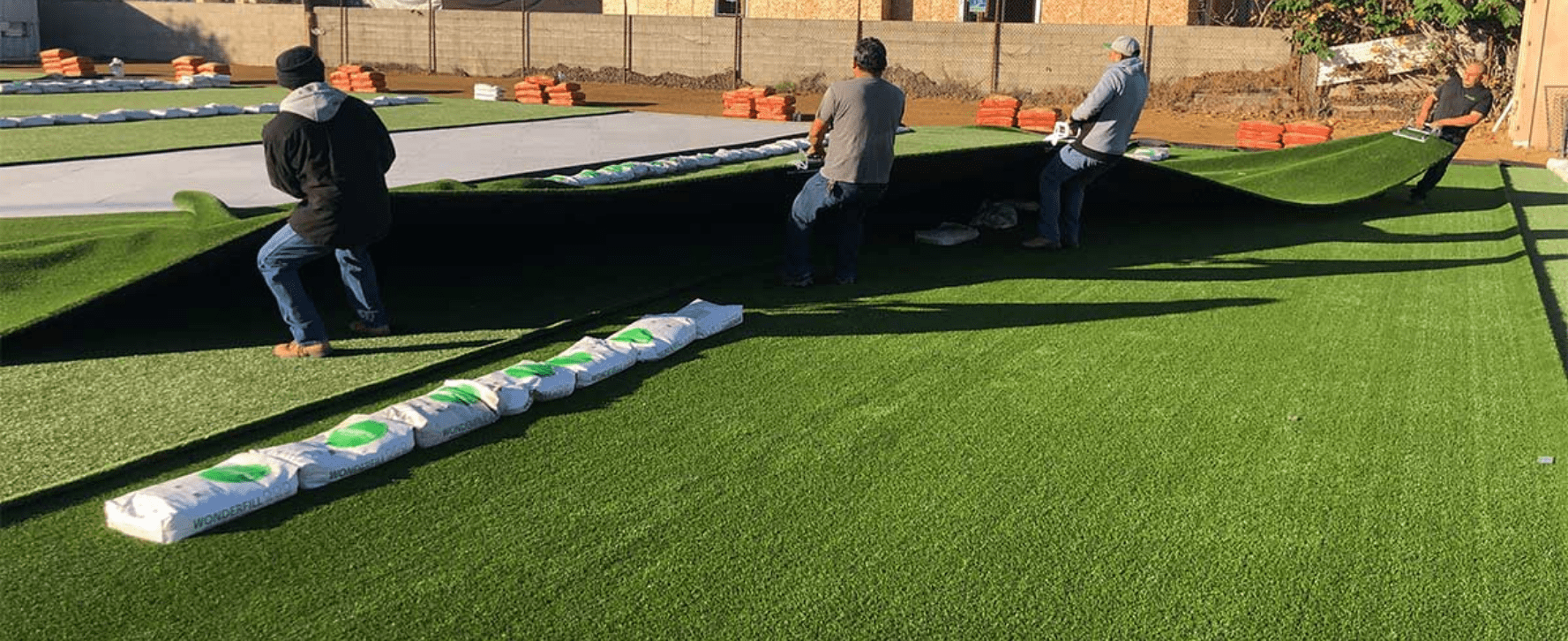
Every artificial turf installation in Flower Mound has an infill layer you can't see working. It's what keeps the blades standing, cushions the surface, supports drainage, and — in pet yards — determines whether odor stays manageable or becomes a seasonal problem. Over time, infill compacts, migrates toward low points, and loses its functional properties. This is normal. It's also fixable without replacing the turf. Artificial Turf of Flower Mound provides professional infill refresh for residential and commercial installations across Flower Mound, Highland Village, Argyle, Copper Canyon, Grapevine, and Lewisville. We assess the existing infill, remove what's compacted or degraded, and reapply fresh material at the correct depth — restoring surface performance and extending the life of your installation.

  • Infill depth probing across the full installation — not just visible trouble spots
  • Mechanical extraction of compacted infill from degraded zones
  • Fresh infill application and professional distribution
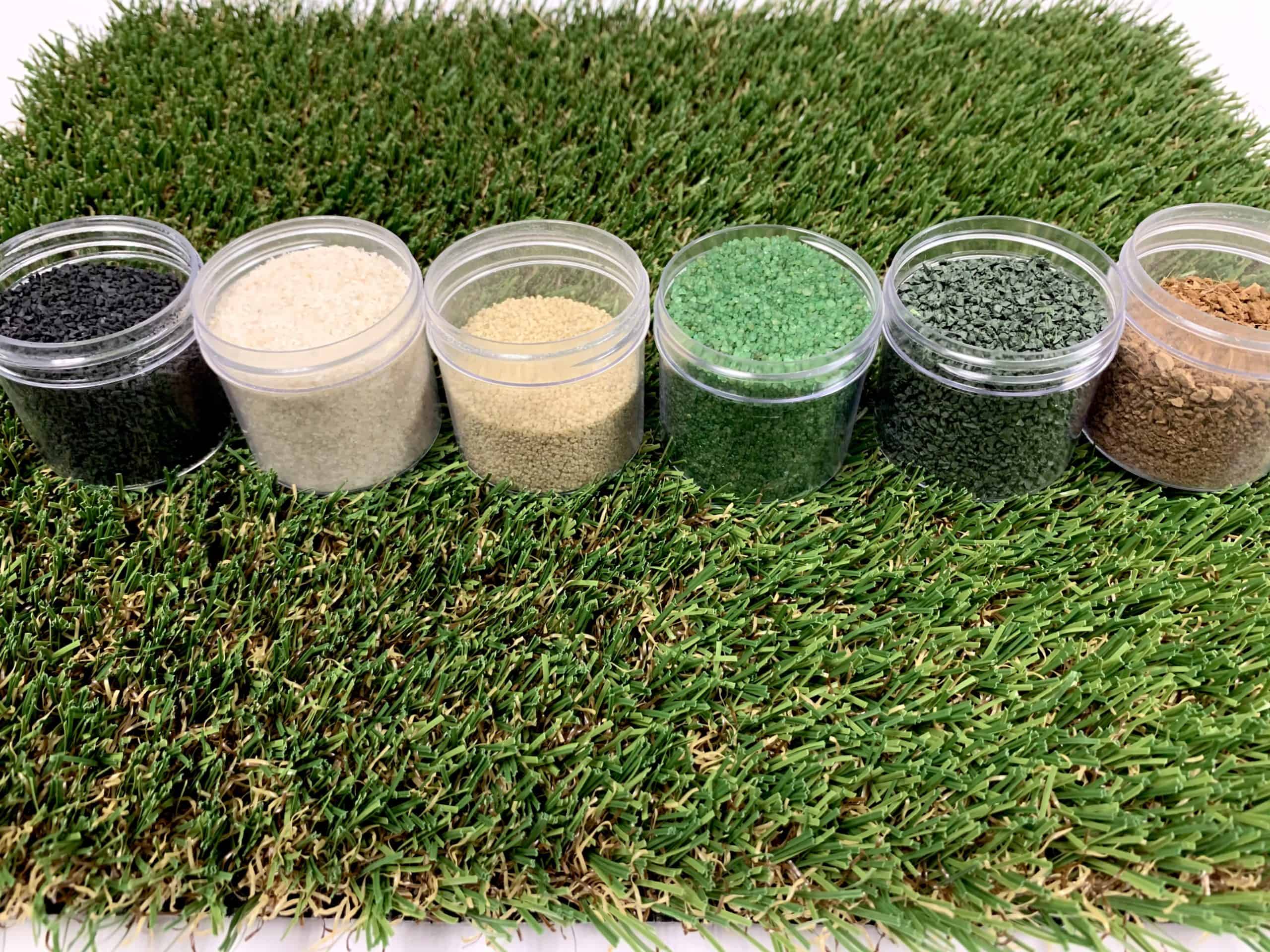
  • Multiple infill types including silica sand, zeolite, and hybrid options
  • Power-broom finishing to seat infill and restore blade position
  • Drainage performance check before and after service

What Infill Refresh Fixes — and Why It Matters

Most artificial turf performance problems that develop over time trace back to infill. Here's what's actually happening and what refresh restores.

Blades That Lie Flat Aren't Just Cosmetic

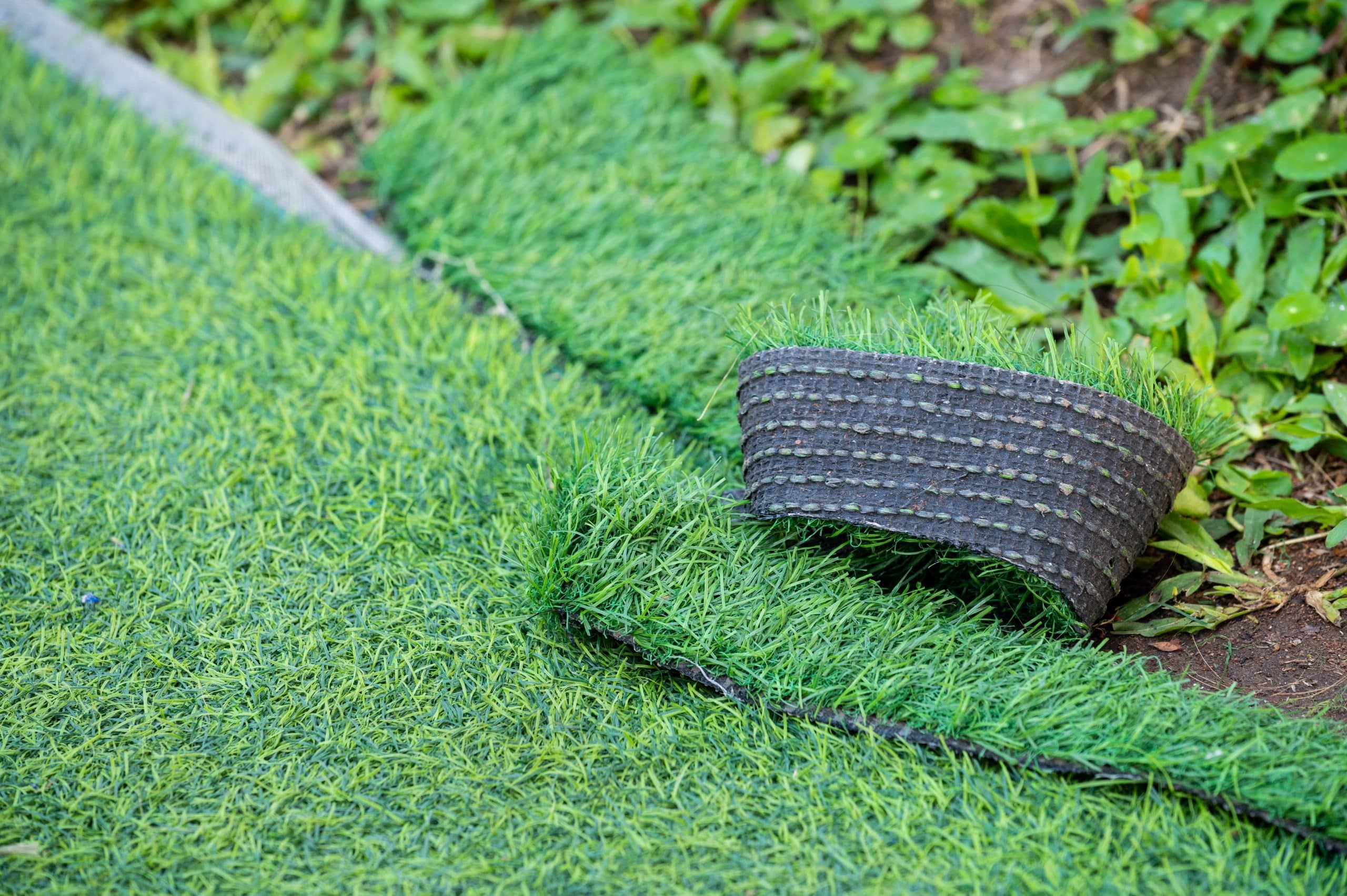
When infill compacts or migrates, blades lose their support and start lying flat. Flat blades mean a tired-looking installation, but the problem is functional too — flat blades drain more slowly, don't cushion foot traffic, and show wear patterns much faster than upright blades. Infill redistribution lets blades return to their design position and restores both the look and the performance of the surface.

Drainage Slow-Down Is Infill-Related

For Flower Mound yards that sit on clay soil, proper drainage through the infill layer is essential. When infill compacts into a dense layer, water moves through it more slowly — creating surface puddling after rain that shouldn't be there. An infill refresh that breaks up compaction and replenishes depleted zones restores the flow rate the installation was designed to achieve.

Pet Odor in Summer Is Often Infill Saturation

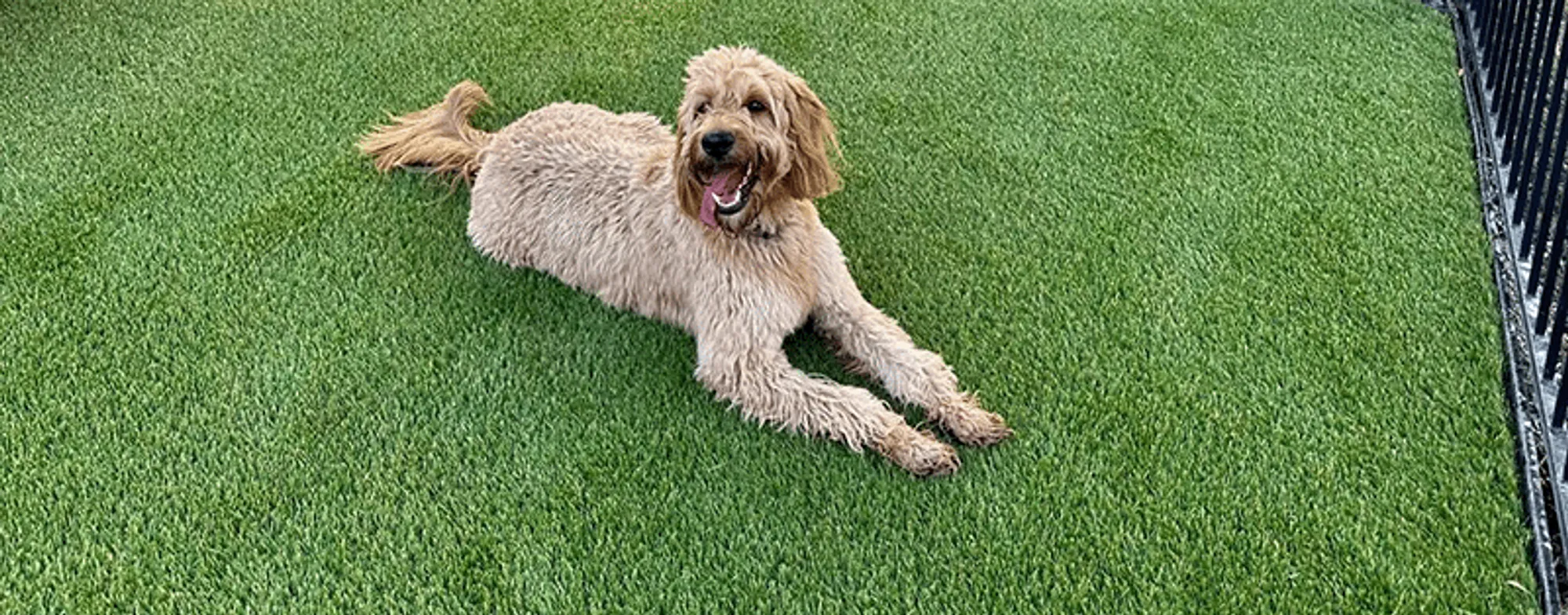
Zeolite infill neutralizes ammonia from pet urine, but it has a finite capacity. After a few years of regular dog use through North Texas summers, the zeolite's ammonia-absorbing capacity becomes saturated. Cleaning helps but doesn't fully regenerate exhausted zeolite. An infill refresh that replaces the saturated material with fresh zeolite restores the odor-control capacity — which is why some pet yards that develop chronic summer odor problems improve dramatically after a targeted infill refresh.

Cushioning and Comfort Degrade Before You Notice

Infill provides the soft, slightly cushioned feel that makes artificial turf comfortable underfoot and safer for kids to play on. Compacted infill is harder — noticeably so if you compare the feel of a freshly maintained installation against one that hasn't been refreshed. For families with kids who spend significant time on the turf, maintaining infill cushioning is a real quality-of-use consideration, not just an aesthetic one.

Refresh Is Significantly Less Expensive Than Replacement

When homeowners see declining performance from their turf — odor, flat appearance, slow drainage — the assumption is often that the turf needs replacement. In many cases, particularly for installations that are 5–10 years old with structurally intact turf, infill refresh delivers the improvement they're looking for at a fraction of replacement cost. It extends the functional life of the installation by several years.

How Infill Refresh Works

Infill refresh isn't just adding material on top of what's there. That approach doesn't address compaction and adds volume without solving the distribution problem. Our process is systematic.

1

Infill Depth Assessment

We probe infill depth at multiple points across the installation — typically every 10–15 feet in each direction plus in obvious trouble areas like dog pathways, high-traffic zones, and low spots. This tells us whether we have a uniform depletion problem or specific zone problems, and how much material needs to be addressed.

2

Mechanical Extraction of Compacted Material

We remove compacted infill from affected zones using specialized extraction equipment. This step lifts the compacted material out of the base layer rather than simply adding fresh material on top of a compressed layer. Extraction also helps loosen matted fibers and prepares the surface for fresh infill to seat properly.

3

Base-Level Cleaning and Preparation

After extraction, we clear debris and fine particles from the exposed infill zone. This includes any organic material that has worked its way into the infill layer over time — pollen, fine leaf debris, and organic matter that contributes to compaction.

4

Fresh Infill Selection and Application

We apply fresh infill material appropriate for your installation's use case. Standard silica sand for general residential turf. Zeolite for pet zones or yards with chronic odor history. Rubber for cushioning-priority areas. The correct material goes into each zone based on how that section of the yard is used.

5

Professional Distribution and Settling

Fresh infill is distributed evenly using a mechanical spreader and worked into the turf with specialized brushing equipment. We work in overlapping passes to ensure even coverage and correct depth across the full refreshed area.

6

Power-Broom Finishing

The power broom seats the infill properly between the blades and restores blade position throughout the refreshed area. This is the final step that ties the visual improvement of the service together — blades stand back up, the surface looks consistent, and the installation reads as refreshed rather than maintained.

7

Drainage Verification

We run water across the refreshed areas and verify drainage performance before leaving. For Flower Mound clay-soil installations, we want to confirm the refreshed infill layer is draining properly at the rate the base was designed for.

Infill Types for Different Yard Situations

Infill choice depends on how the yard is used, what problems you're experiencing, and what the original installation used. Here are the options we work with most commonly in Flower Mound-area yards.

Silica Sand Refresh

Standard infill for general residential turf. Cost-effective, widely compatible, and appropriate for most Flower Mound yards without significant pet use. Provides blade support, cushioning, and drainage assistance without specialty properties.

Best For: Standard residential turf, front lawn installations, non-pet yards

Zeolite Refresh for Pet Zones

Zeolite is a natural mineral with high cation exchange capacity — it absorbs and holds ammonia from pet urine rather than allowing it to release as odor. Refreshing with zeolite in pet-use zones restores this capacity and is the most effective approach to chronic summer odor in dog yards.

Best For: Pet yards, dog runs, any zone that receives regular dog urine

Hybrid Sand/Zeolite System

A combination approach using silica sand as the primary infill and zeolite in the upper layer of pet zones. Common approach for yards where only specific areas see heavy pet use and the remainder is general family use.

Best For: Mixed-use yards with designated pet areas and general family lawn space

Rubber Infill Refresh

Rubber crumb or rubber/sand blend for areas where cushioning is the priority — under play structures, in areas used for kids' physical activities, or around pool decks where impact absorption matters.

Best For: Play areas, areas under play equipment, pool surrounds

Complete Infill Restoration

Full extraction and replacement of all infill — appropriate for installations with severely compacted or contaminated infill that cannot be meaningfully refreshed through redistribution alone. Typically recommended for installations over 10 years old with significant history of heavy use.

Best For: Heavily aged installations, severe contamination, installations with multiple combined problems
Infill Questions from Flower Mound Turf Owners

How do I know if I need infill refresh versus just cleaning?

Cleaning addresses surface contamination and odor from bacterial sources. Infill refresh addresses the physical condition of the infill layer — compaction, depletion, and saturation of odor-control capacity. The distinction: if your turf smells and it's been cleaned recently without lasting improvement, infill is likely the issue. If your blades are flat or drainage has slowed, infill is definitely the issue. We assess this during a site visit before recommending which service fits your situation.

How often should infill be professionally refreshed?

For standard residential yards without pets, an infill check every three to four years is typical. For pet yards, particularly those with multiple dogs or heavy summer use, infill assessment every one to two years is more appropriate given the accelerated saturation of zeolite capacity under Texas summer conditions.

Can I add infill myself from a hardware store?

You can add loose silica sand, but achieving even distribution to the correct depth without professional equipment is difficult — the result tends to be surface patchiness and inconsistent feel. More importantly, adding material on top of compacted infill doesn't address the underlying compaction. Professional service gets the compacted material out before fresh material goes in.

Will infill refresh fix the matting in my high-traffic areas?

Usually yes, significantly. The mechanical extraction phase helps loosen matted fibers, and the power-broom finishing lifts them. Fresh infill at proper depth then supports the blades in their upright position. Persistent matting in very heavily trafficked zones may not recover completely — but most yards see a significant visual improvement after refresh.

Is zeolite infill safe for dogs?

Yes. Zeolite is a naturally occurring mineral that is non-toxic and commonly used in applications that involve contact with animals. It's used in cat litters, agricultural applications, and water filtration for the same absorption properties that make it effective in pet turf.

Restore Your Turf's Performance — Schedule an Infill Refresh

Artificial Turf of Flower Mound serves homeowners across Flower Mound, Highland Village, Argyle, Copper Canyon, Lewisville, and Grapevine. Contact us to schedule an infill assessment — we'll tell you honestly whether refresh is the right service for your installation.

Serving Nearby Cities

Flower MoundLewisvilleCoppellGrapevineKellerSouthlakeRoanokeArgyle