Commercial Installation — How We Execute
Commercial projects require more coordination than residential installs — tenant schedules, access windows, phasing requirements, and documentation needs all vary by property type. Here's how we manage it.
1
Property Assessment and Scope Definition
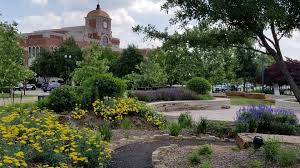
We visit the property and walk all areas being considered for turf installation. We assess soil conditions, existing irrigation infrastructure, drainage patterns, access constraints, and usage patterns. For HOA projects, we note any common area features — seating, walkways, play equipment — that affect installation planning.
2
Commercial Design and Material Specification
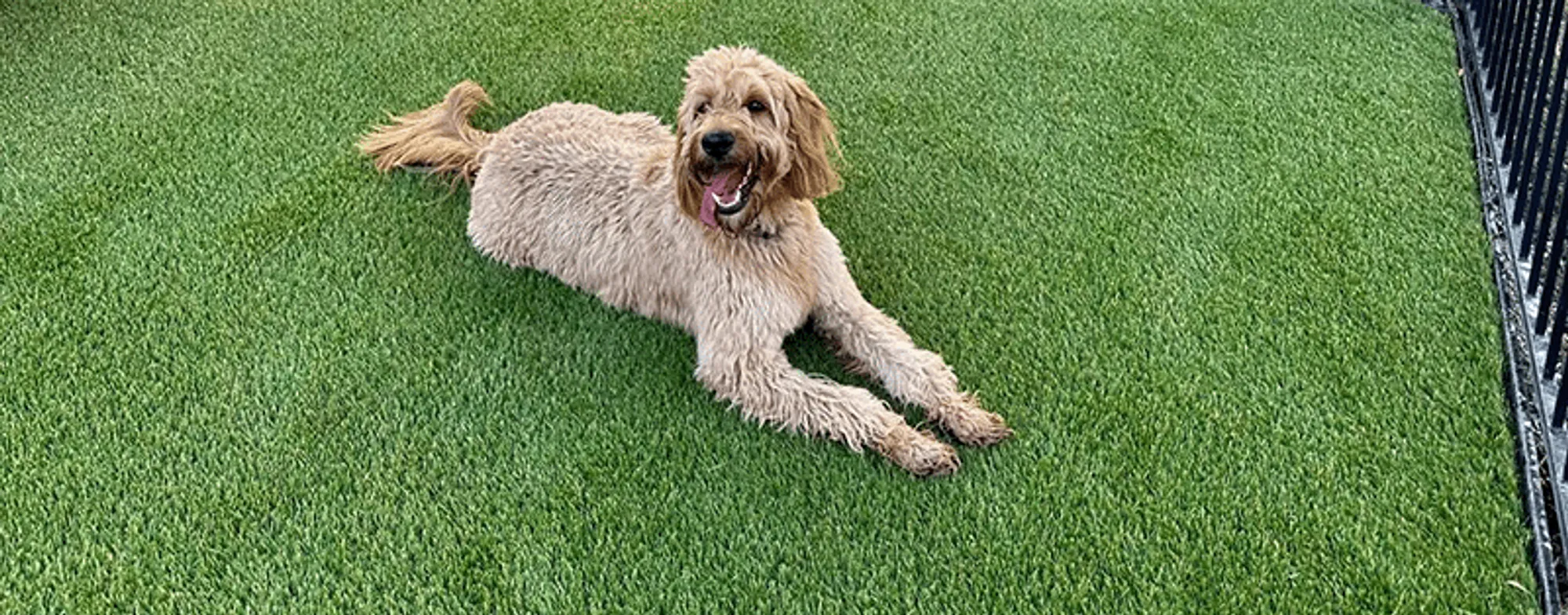
Commercial projects need product specification that matches the actual use load. A property entry sees different traffic than a HOA backyard common area, which is different from a pet daycare run. We specify product, infill, base depth, and drainage engineering appropriate for each zone of the project.
3
Phased Schedule Development
We develop an installation schedule that respects the operational reality of the property — when tenants use common areas, when business is closed for reduced disruption, what access restrictions exist for equipment. For larger commercial projects, phased installation keeps portions of the property functional while work proceeds on others.
4
Base Preparation at Commercial Scale
Commercial-scale base preparation uses appropriate equipment for the project size. We address irrigation removal, drainage regrading, aggregate base installation, and compaction systematically across the project area. This phase takes the most time and cannot be rushed — commercial base prep quality determines long-term turf performance under sustained traffic.
5
Commercial Turf Installation
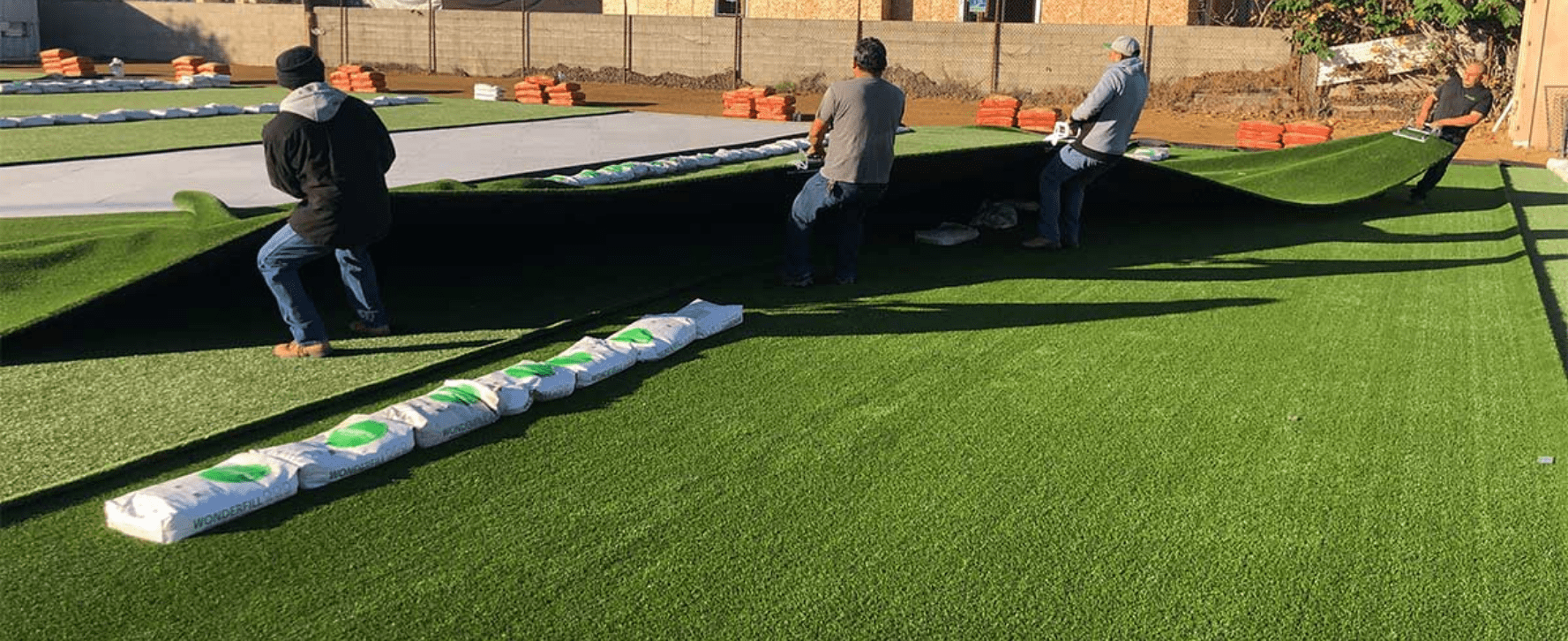
Commercial installation teams are larger and more efficient than residential crews, which allows larger projects to complete in shorter windows with less business disruption. We install seams strategically to avoid high-traffic walking paths, secure edges to handle commercial-level foot traffic, and ensure consistent infill application across the full project area.